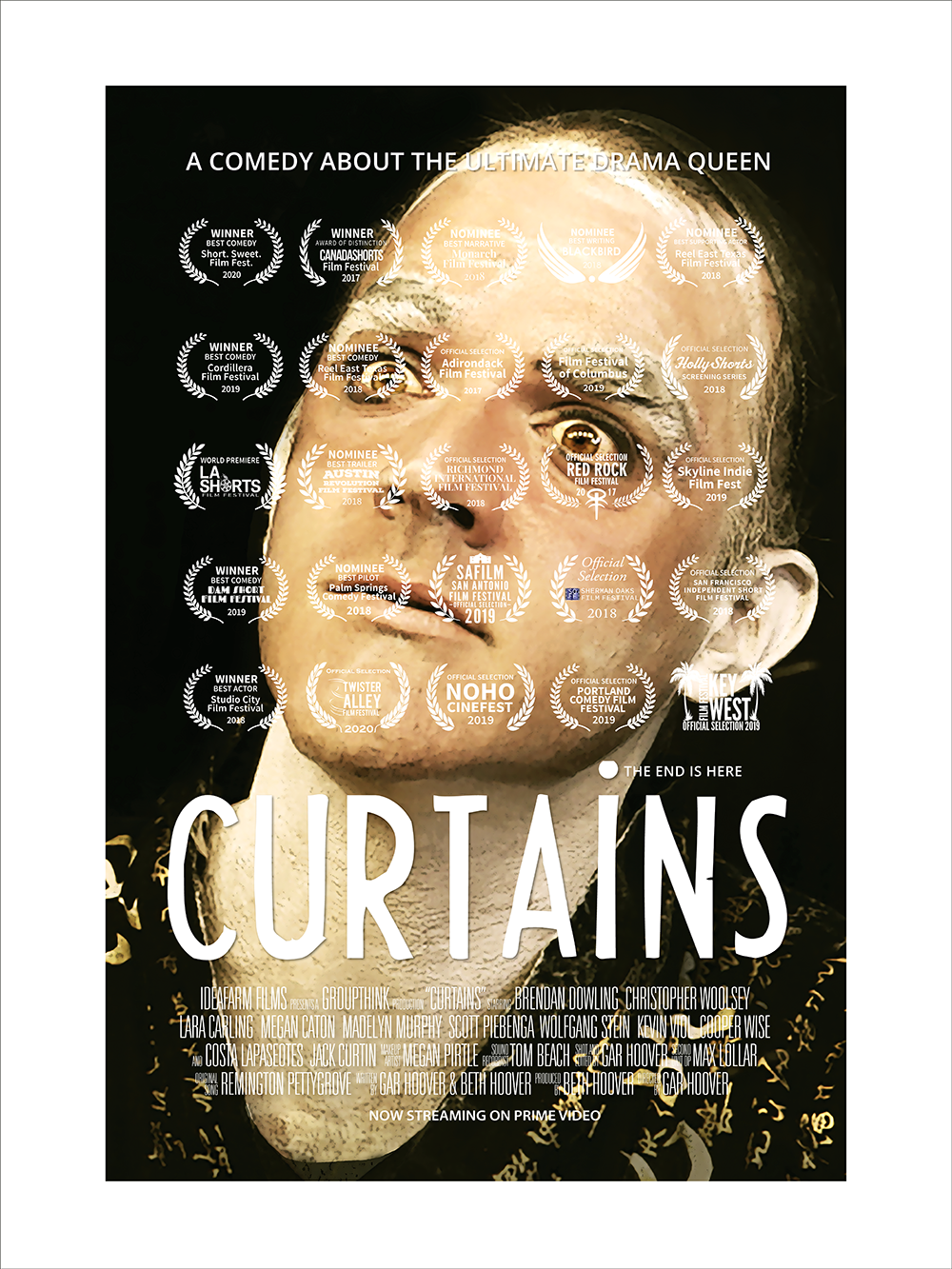
Curtains: A THREE-TIME “BEST COMEDY” AWARD WINNING SHORT
Following its premiere at the L.A. Shorts International Film Festival, our short film Curtains went on to screen at more than two dozen festivals — taking home three “Best Comedy” awards and “Best Actor” win for Brendan Dowling for his portrayal of Peter Fleming, an embattled avant-garde theatre director who refuses to compromise his artistic integrity no matter the cost.
The 25 minute-short — written, directed and produced by ideafarmfilms principals Gar and Beth Hoover — was done on a shoestring budget to showcase the world and main character of a series project of the same name that we were pitching at the time.
We were surprised, frankly, that our cheeky little narrative about a die-hard purist in a sellout world — Peter — would end up touching so many people.
The film received multiple wins and award nominations, including Best Cinematic Writing, Best Short Narrative, Best Trailer and Best Supporting Actor for the film’s co-star Chris Woolsey, playing the combative journalist tasked with documenting the rise and fall of Subcutaneous Theatre.

SOME BACKGROUND
"Curtains" captures the rise and fall of Peter Fleming, avant-garde legend and one-time bad boy of Cleveland's experimental arts scene.
The controversial co-founder and artistic director of Subcutaneous Theatre, Peter had been struggling with mounting legal and financial problems when he became the focus of an in-depth Cleveland Plain Dealer story — in Peter's words, a hit piece — on the once-hot artist's fall from grace.
That was the setup for the short.
The short was created to introduce a series we were developing at the time about a struggling fringe theatre, with Peter as the lead. Peter, who first appeared in a feature of ours, was such a powerful presence in that project that he had to be pulled out because he overwhelmed the leads.
We loved Peter because he did not give a damn what anyone thought.
He was determined to challenge local audiences with “subversive” work designed to make uncomfortable any and all theatergoers expecting to be entertained. His manifesto, signed in blood and hung on the dressing room fridge, read:
"We are artists! Provocateurs! Not whores pandering to the base tastes of the middling classes! Subcutaneous Theatre exists for one purpose and one purpose only: to get under the skin of our audiences and fester there, like a boil, ultimately bursting forth with the putrid pus of truth!"
Below are some behind-the-scenes moments from the shoot, which took place in the dingiest, most dilapidated dressing room we could find. Thanks, Timeline Theatre. Also below are stills of some of the controversial works that ultimately got Subcutaneous Theatre shut down.
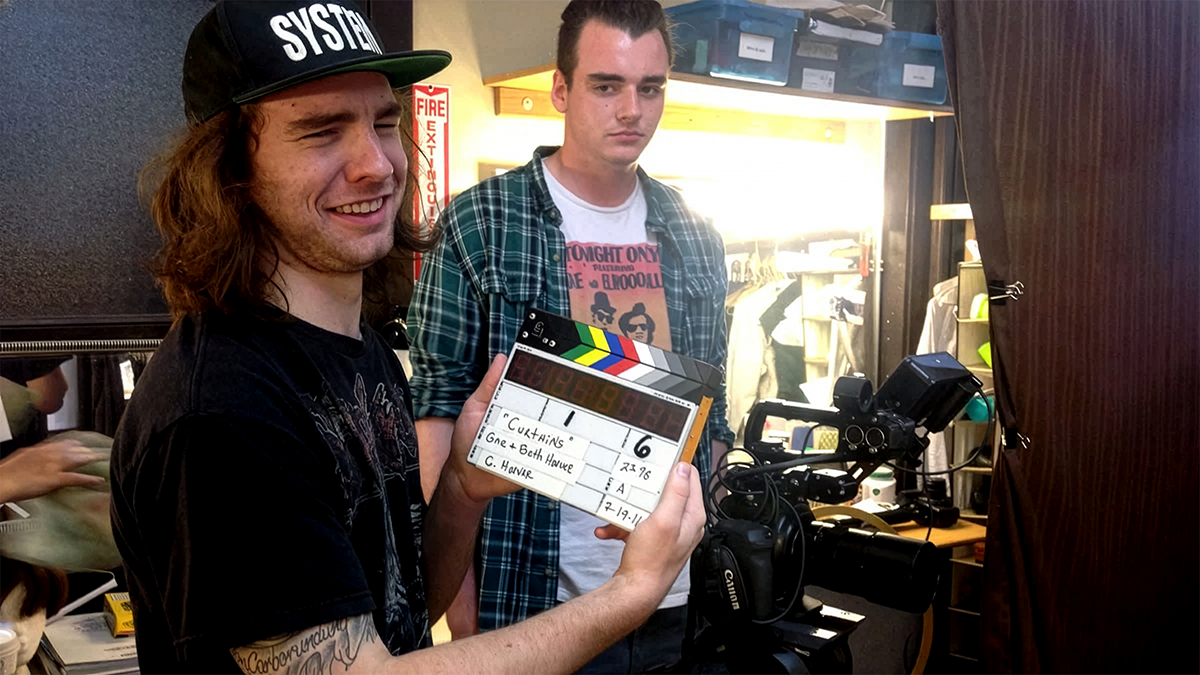
Our two production assistants and former students Connor Lane and Jack Curtain. These guys are the two best PAs who ever caught some ZZZs between takes. Both of them can write and make movies — including the surreal dark comedy, "200,000 Birthdays," which we won’t even try to describe here.
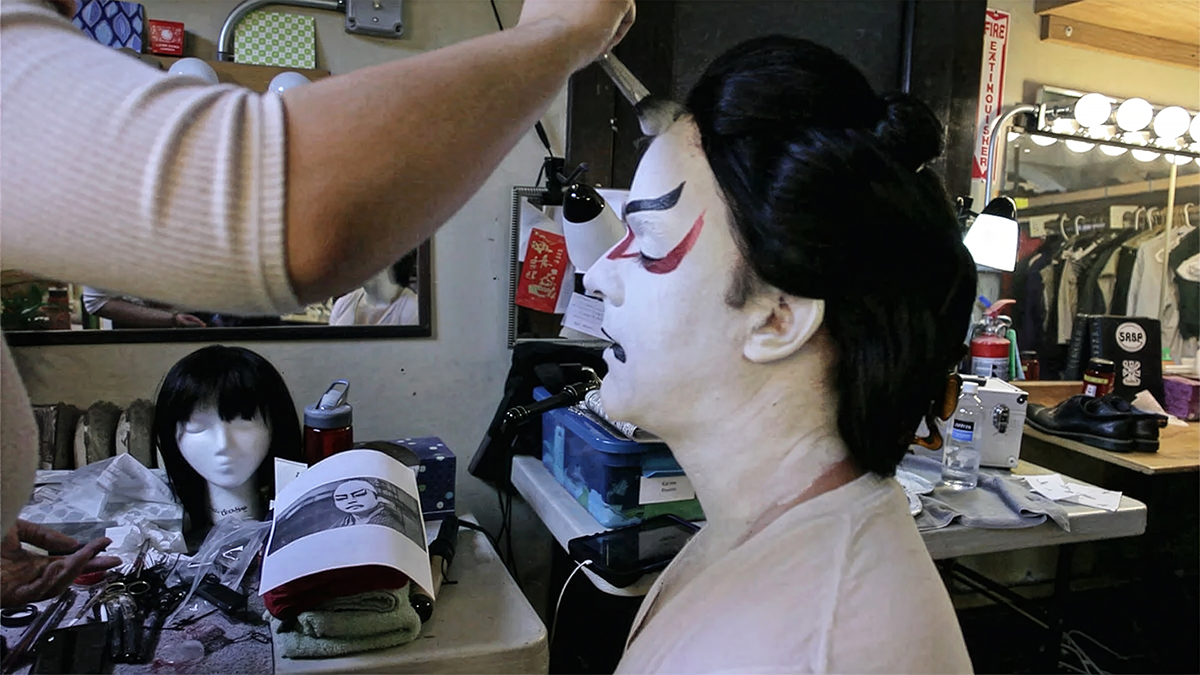
Brendan Dowling, as Peter Fleming, getting prepped. Brendan played Peter entirely in front of a dressing mirror removing Kabuki makeup, an extended bit of business designed to reveal the true Peter within. Brendan, a veteran of the famous Improvised Shakespeare Company, brought something really special to this character — ultimately winning a Best Actor award for his performance.
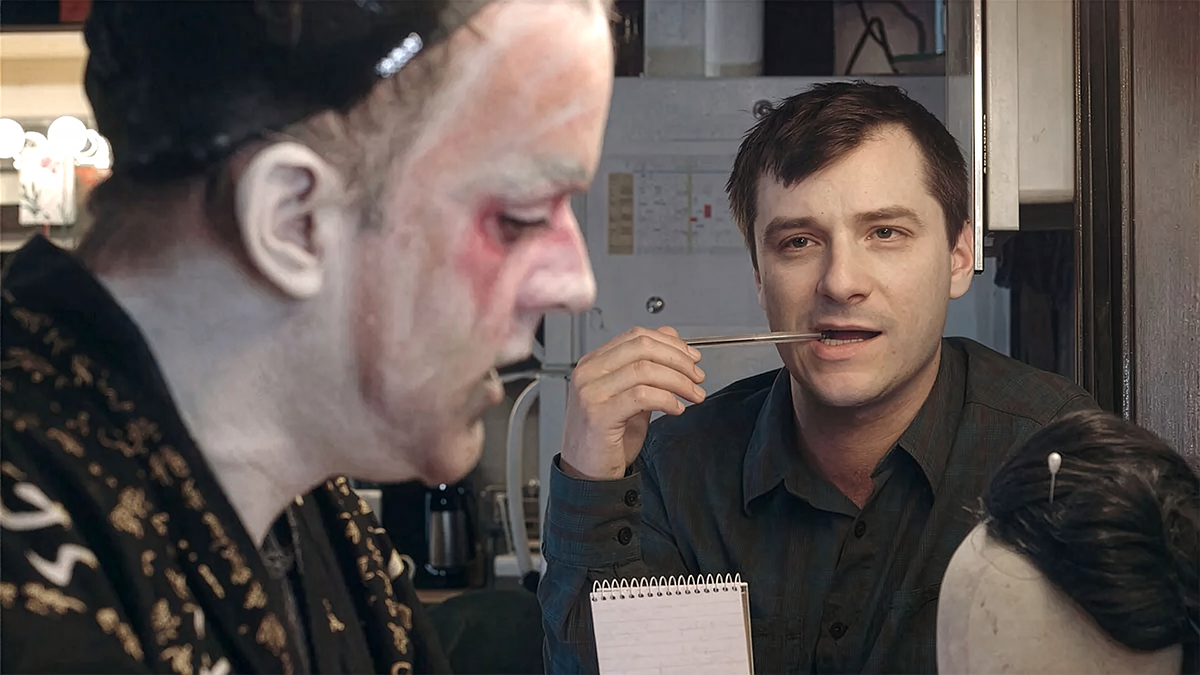
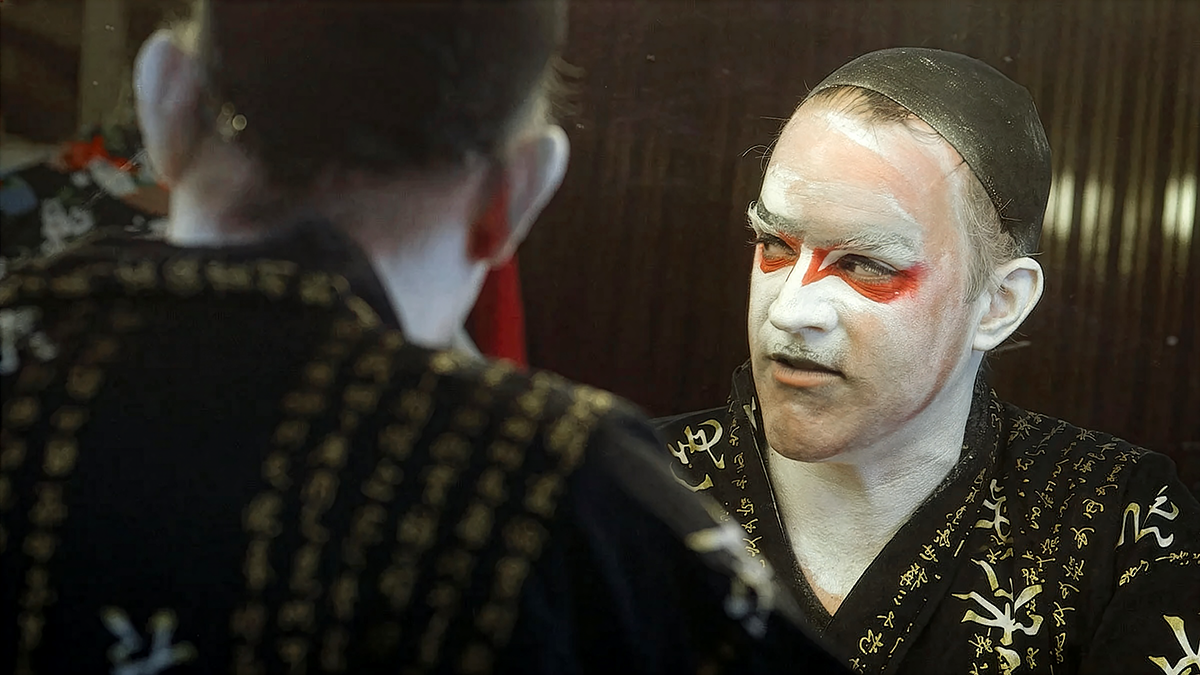
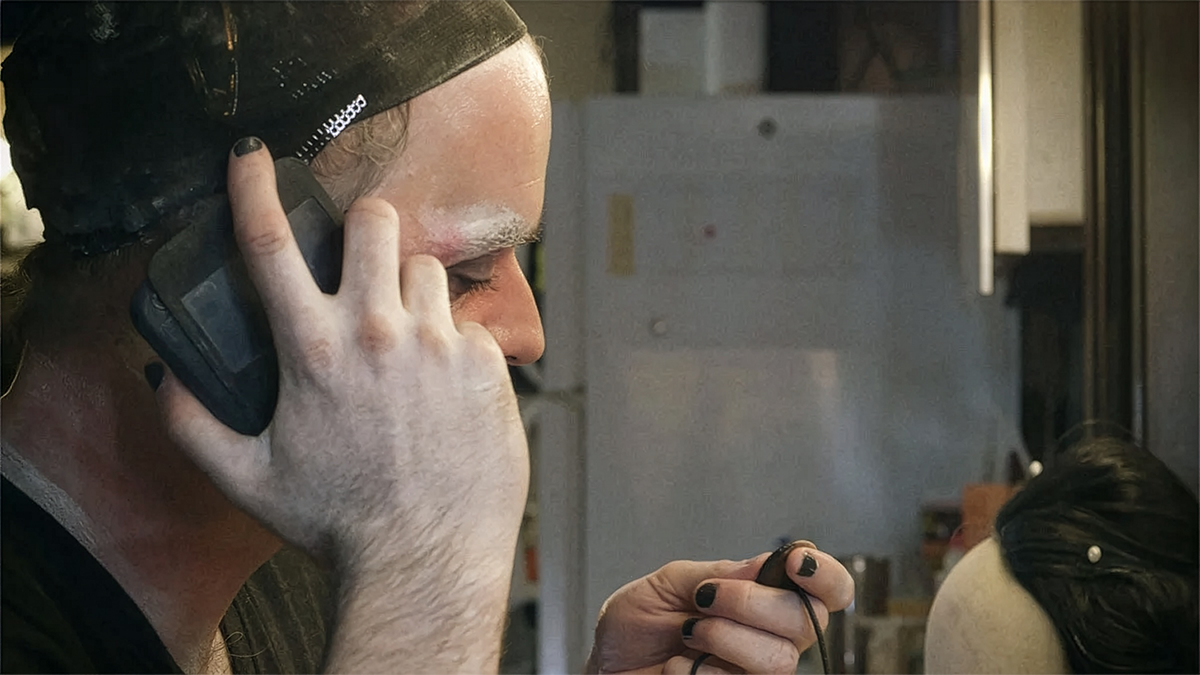
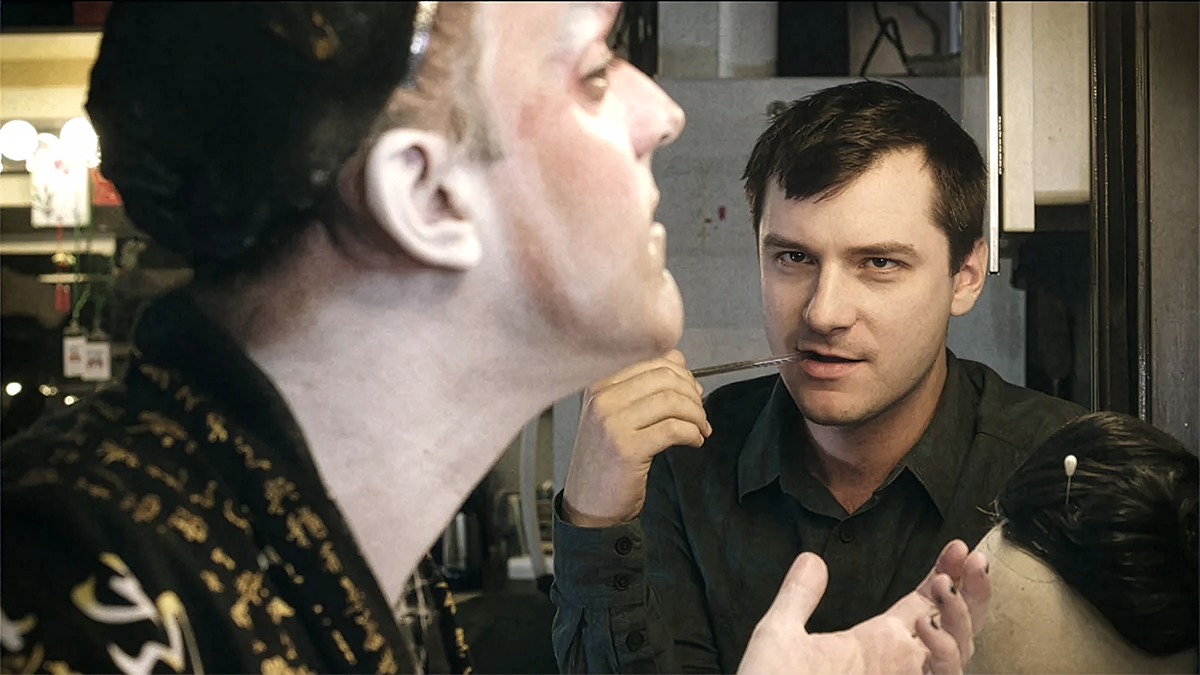
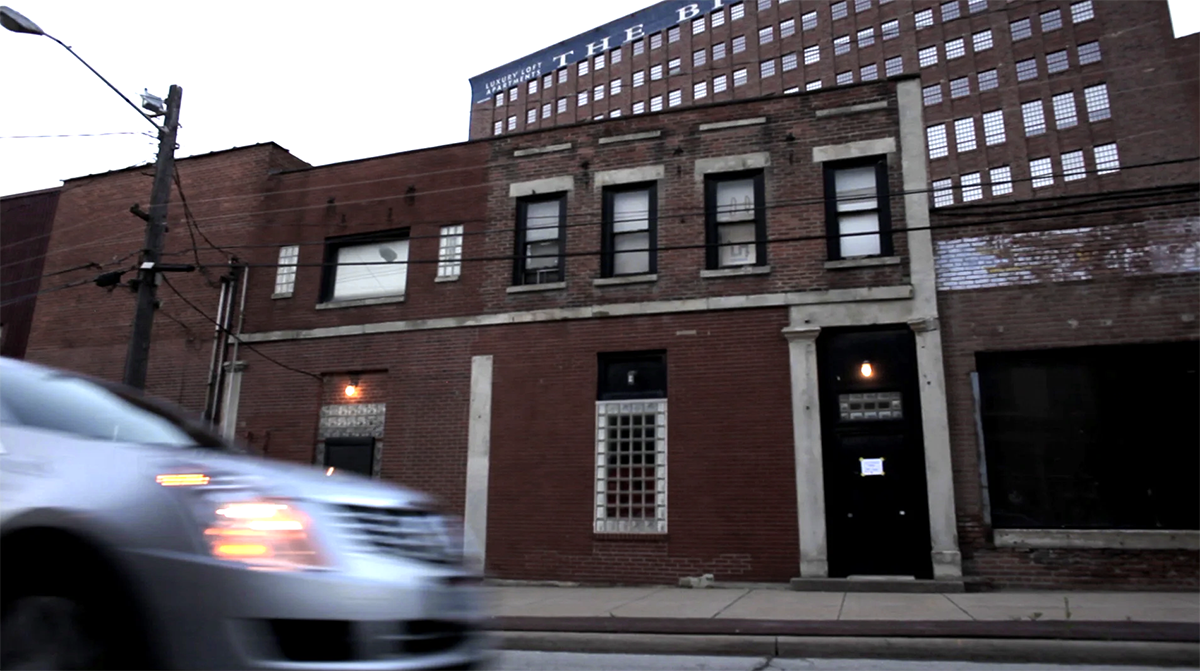
The original home of Subcutaneous Theatre, a dilapidated storefront space in Cleveland's Warehouse District. The theatre's only signage was the small note taped to the door. It wasn’t much but it was a step up from the squat the troupe moved from, the place where Sub-Q did some of their most daring work.
Some of the work that put Sub-Q on the map
The troupe’s first theatrical piece, a homoerotic western titled "Denim Underwear," was an underground hit hailed by the Cleveland Plain Dealer as a timely exploration of masculine identity in America, “a play that went places Brokeback Mountain was unwilling to go.”
Despite its appeal to certain audiences, it wasn’t for everyone, including several members of the Cleveland Playhouse board who — deriding the play as a “shocking and vulgar spectacle” — ultimately got the production shut down.
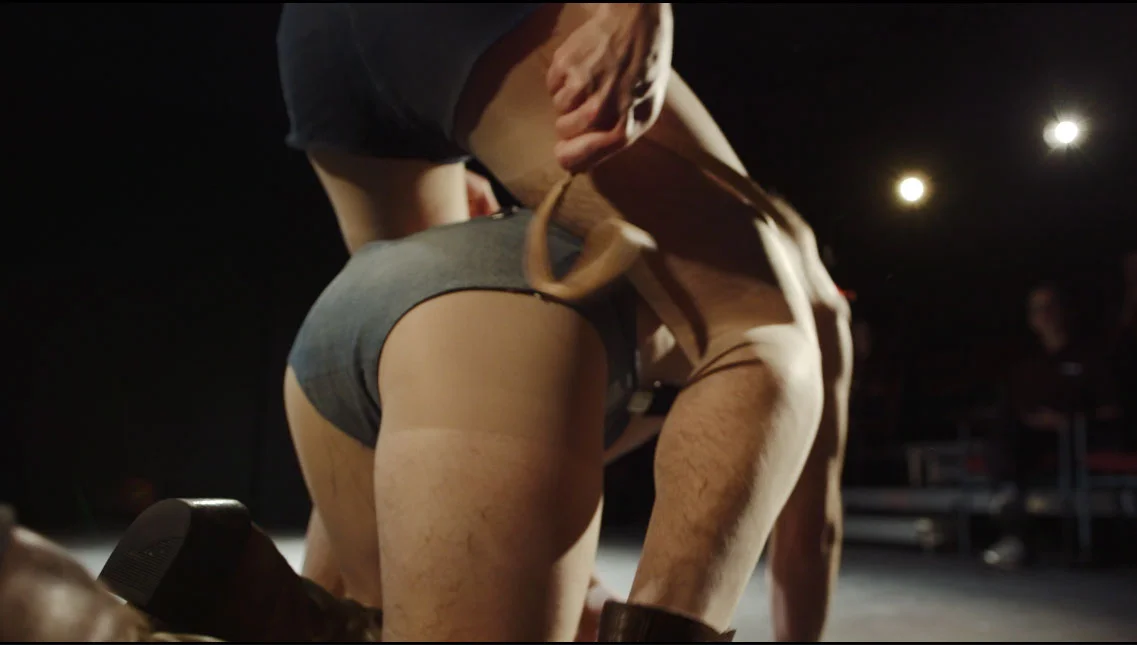
The homoerotic western "Denim Underwear" was hailed by critics as an underground hit.
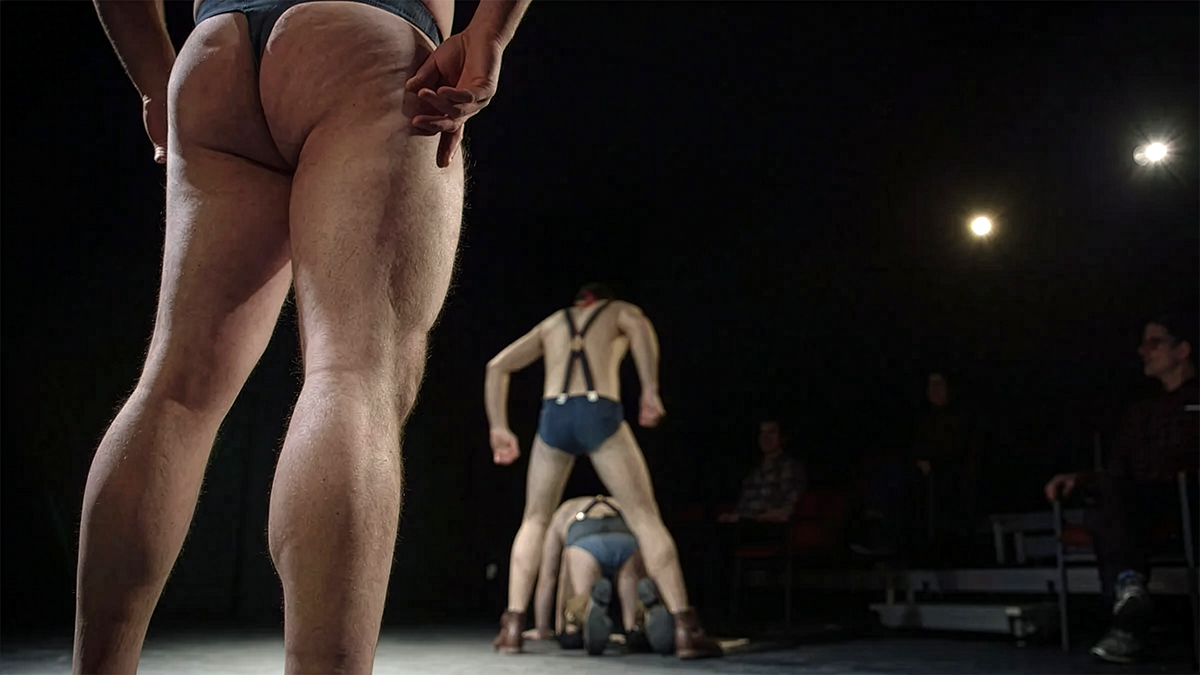
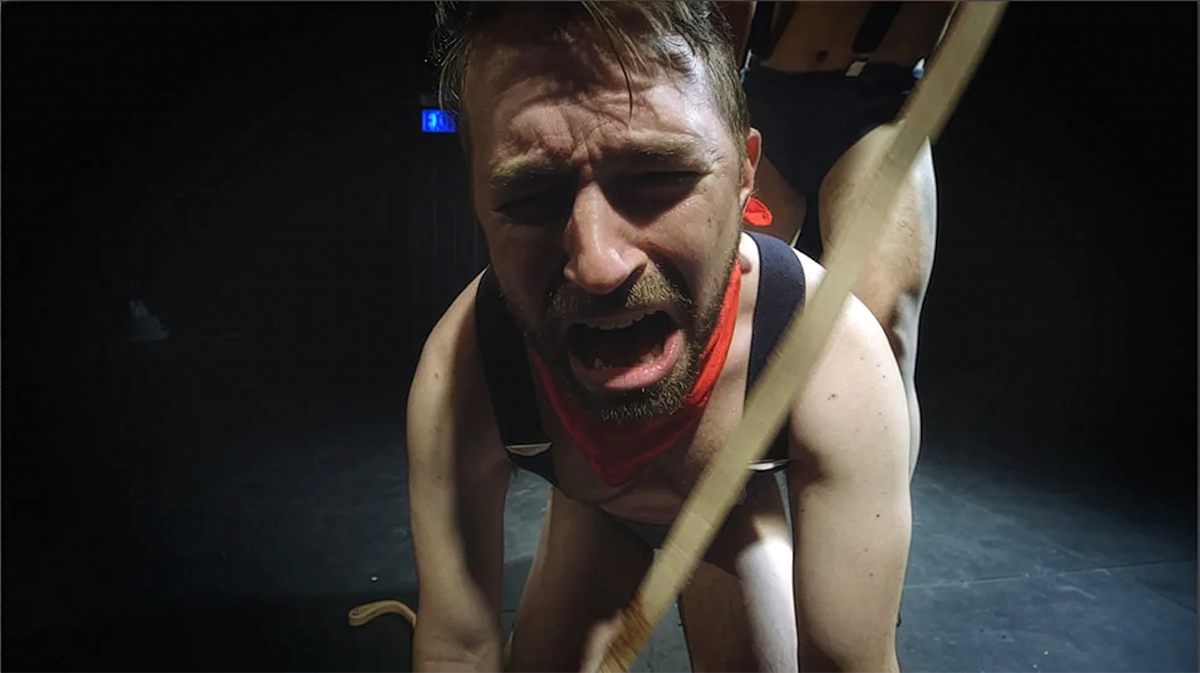
Following shortly after was a string of exploratory works that pushed the boundaries of taste and vulgarity even farther.
First among them were “The Phases of the Moon” plays, a trio of plays which were developed from an idea Peter had about three emancipated women living on the moon. In the director's note in the program for the plays, Peter described the work:
"Here we have three generations of women, trapped on the moon, and as the dysfunction and toxicity of their relationships heal, they sync up both emotionally and menstrually."
Critics, having mistaken Peter’s serious portrait of femme-power for high camp, turned the first two Phases of the Moon plays into cult hits. But the third play in the series, in which audience members were sprayed with pig's blood, caused the biggest stir — resulting in Sub-Q being ordered to pay hundreds of dollars in dry cleaning bills.
A few snaps from the production:
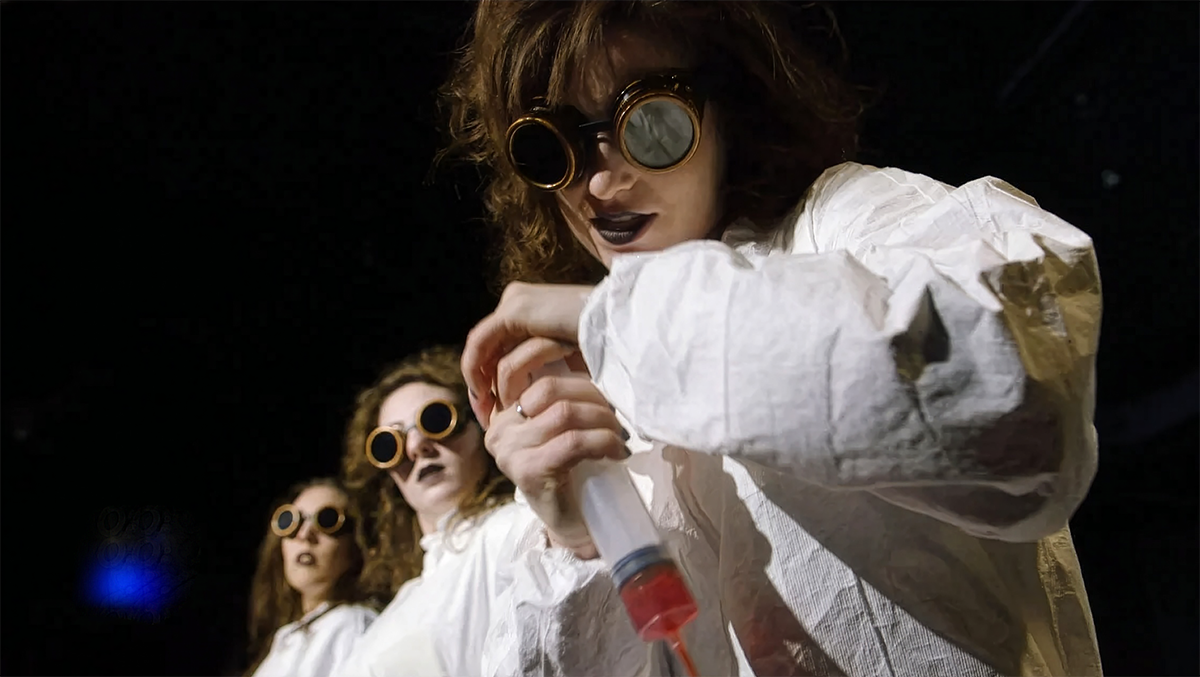
Subcutaneous Theatre's production of "Phases of the Moon" — a play about three generations of women trapped on the moon and caught in an endless menstrual cycle — led to lawsuits by theatregoers splashed with pig's blood. Sub-Q’s founder and artistic director Peter Fleming defended the controversial work as a compelling portrait of sisterhood.
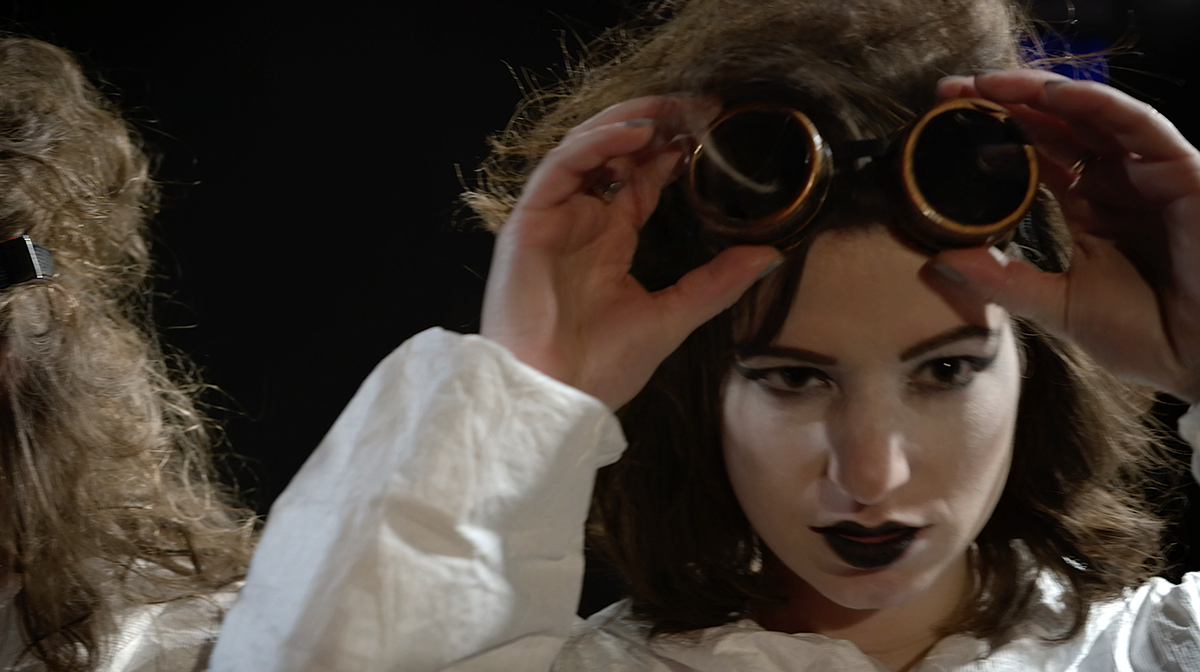
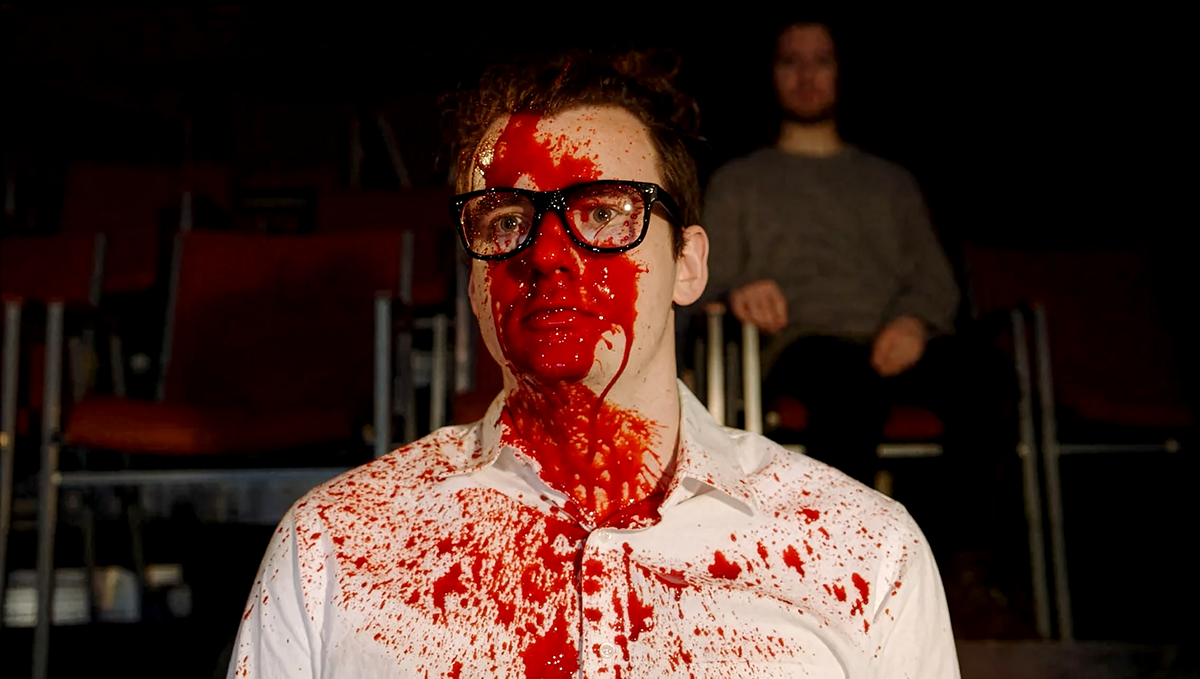
The three works that came after — Hula Hoop, Captive Audience series, and Long Day’s Journey into Night, the Musical — started the troupe on a downward spiral that Sub-Q would sadly never recover from.
The first show, Hula Hoop — which marked Peter’s first foray into The Theatre of the Absurd — was a six-hour solo piece consisting of an alien in a full-body morph suit hula hooping center stage. The intent of the piece, according to Peter, was to demonstrate the futility and meaninglessness of life through pointless, repetitive movement. It had a very short run.
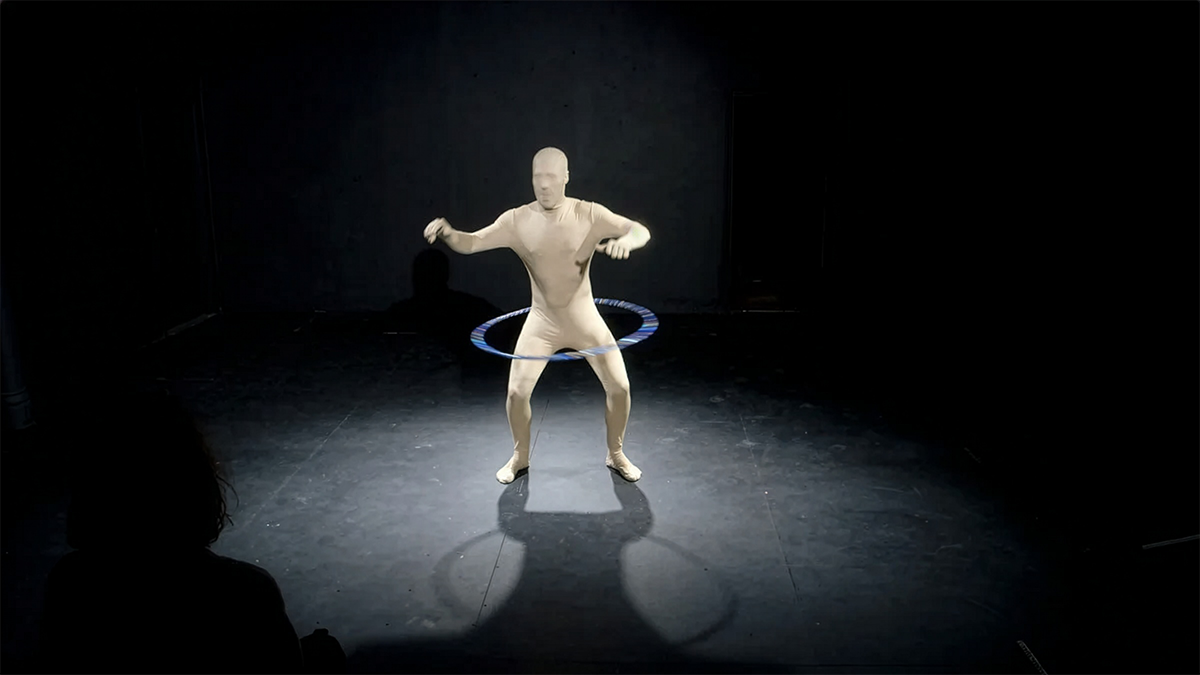
Sub-Q’s absurdist work “Hula Hoop” — the troupe’s first foray into an avant-garde, nonrealistic theatrical style — was created to demonstrate the futility and meaninglessness of life through repetitive movement. It was so “out there” that even critics normally willing to give Peter’s theatrical experiments the benefit of the doubt couldn’t make anything of it.
The "Captive Audience” series was developed by Peter in response to rude theatre patrons checking phones, unwrapping snacks and so on. It involved handcuffing audience members to the arms of their seats to teach them a lesson in respectful behavior.
It seemed a reasonable practice and most theatergoers went along.
However, trouble began when a small-time convict recently released from Cuyahoga County jail became tense and agitated within minutes of being cuffed — breaking his wrist trying to free himself. It was learned later he’d spent time in solitary, handcuffed to his bunk and had had a flashback.
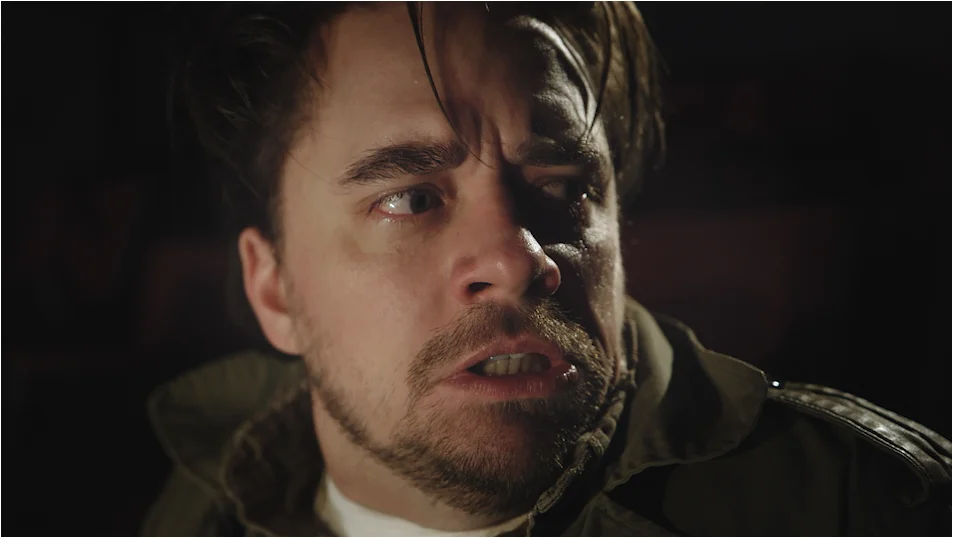
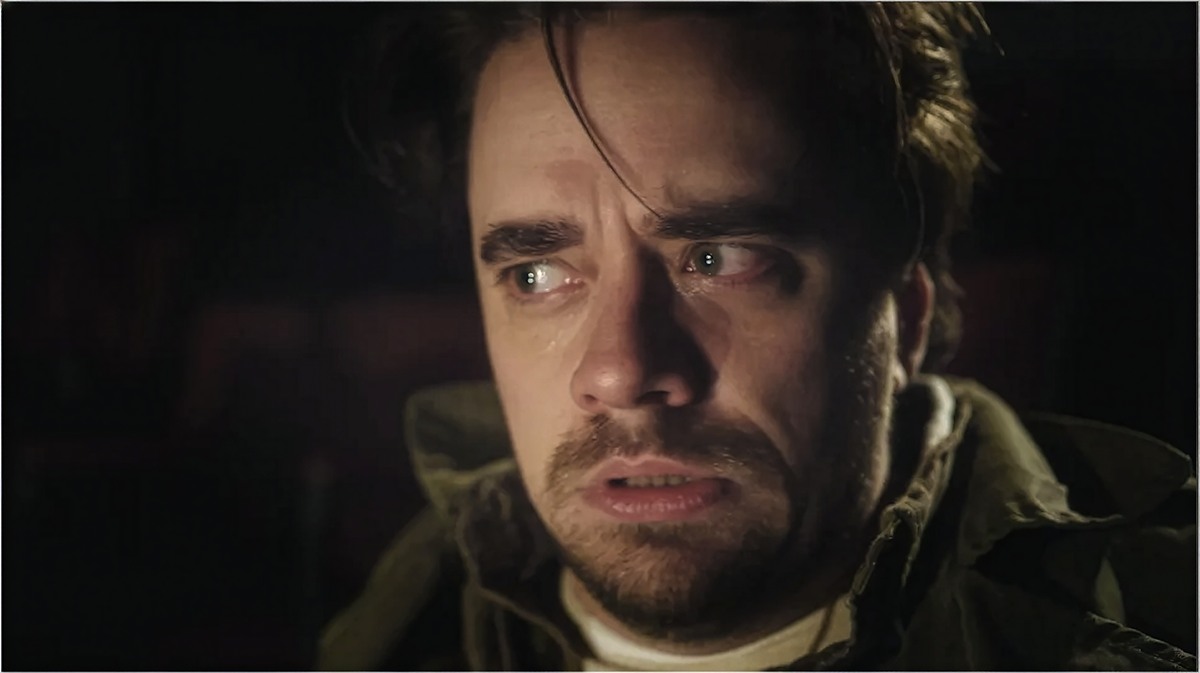
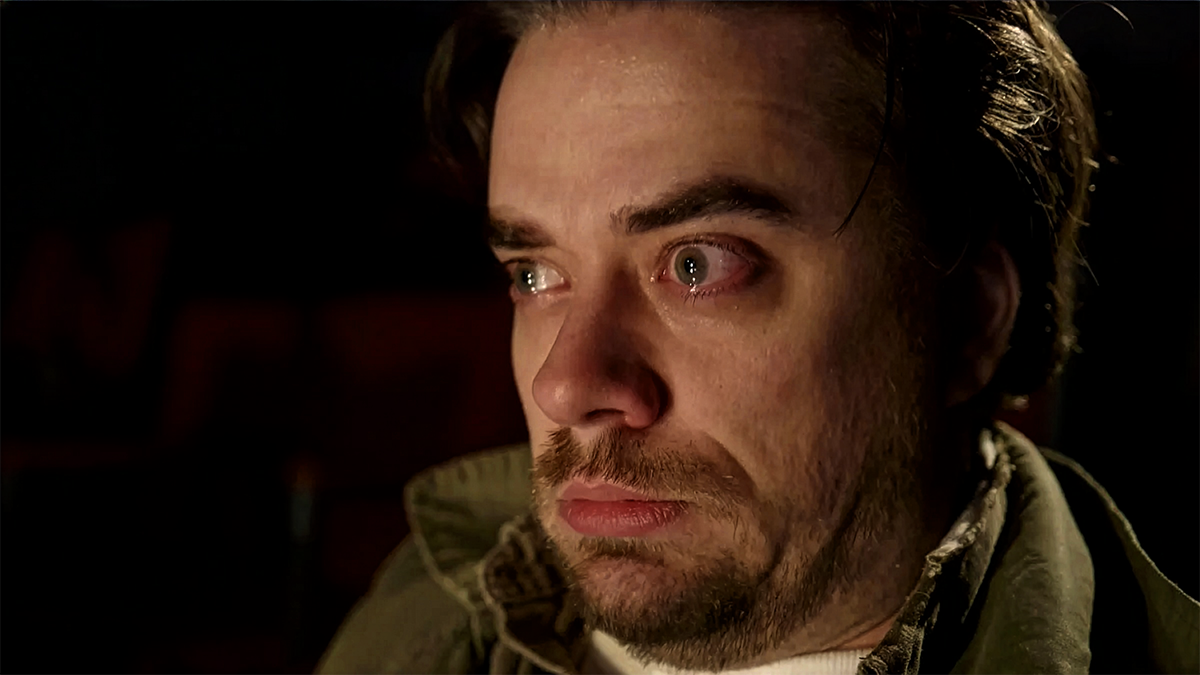
Bill Briar, a convict recently released from Cuyahoga County jail, became agitated after being handcuffed to the arm of his seat. This practice, instituted by Peter to prevent rude theatre patrons from checking phones and unwrapping snacks in the middle of a performance, was discontinued after Briar suffered a flashback to his time in solitary confinement.
"Long Day’s Journey into Night, the Musical” was originally created as a showcase for the young woman Peter was bedding at the time.
But soon Peter realized that there was something more profound here.
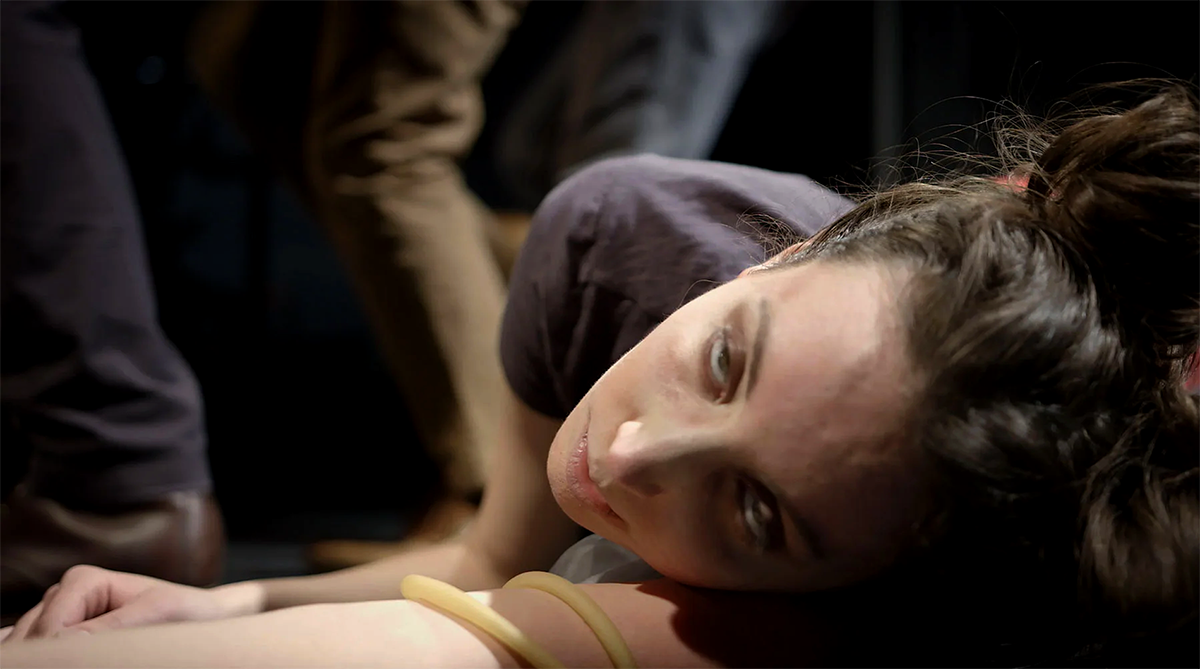
"It was the first time anyone had thought to have a 25-year-old female play Eugene O'Neill's 60-year-old opium addict," Peter explained to a podcaster. “It was a chance to turn the concept of a crowd-pleasing musical on its head, while bringing the idea of addiction terrifyingly alive to Cleveland."
To Peter’s dismay, audiences took it as comedy and laughed throughout.